


You may have heard about Cildini's influence principles, but do you know how they can also be used to increase sales in your online store?
Cialdini's six principles of influence are among the most well-tested methods. These principles are psychological triggers playing in human behavior.
Here is a review of Cildini's principles, and how you can implement them to increase conversions on your website. I have included examples from various online stores that apply these principles.
1. Mutuality - Give a little bit to get more back
The principle of reciprocity is based on the idea that if you give something to someone, they feel a natural obligation to give something back. This can be a powerful way to build trust and encourage purchases in your online store.
So you use it: offer something valuable to potential customers, like a little gift that makes them feel like they owe you something. This can be a discount, free trial product or free shipping.
Example:
At Porsgrund Porselånsfabrik you receive free shipping on order for goods for over NOK 699. This USP is made clear by showing you on-going how much you have left until you get free shipping. This also creates a motivation for the user, which may lead to their wanting to buy more to get free shipping.
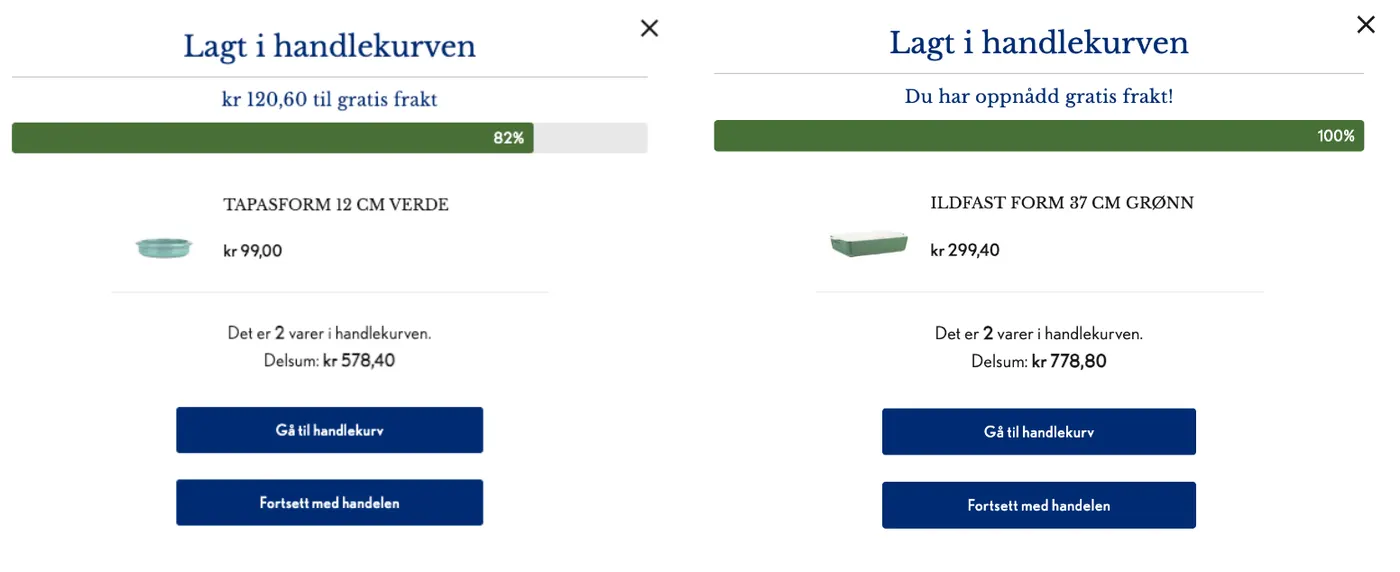
By giving the customer something first, you increase the probability that they will trade with you.
2. Social evidence – Let other customers build trust for you
We humans tend to follow the flock. When we see that others have done an action, we feel more comfortable doing the same thing. This is the essence of social evidence.
This is how you use it: show product reviews and customer experiences. In this way, we show potential customers that others have had a positive experience with your products.
Example:
Social evidence is widely used at the online store Becoming.noSo let's say that this is the same thing as that. Here we already see on the front page which of the products are trends, how many stars they have received and the number of customer reviews. If the customer prints the product, they can also read product notifications.
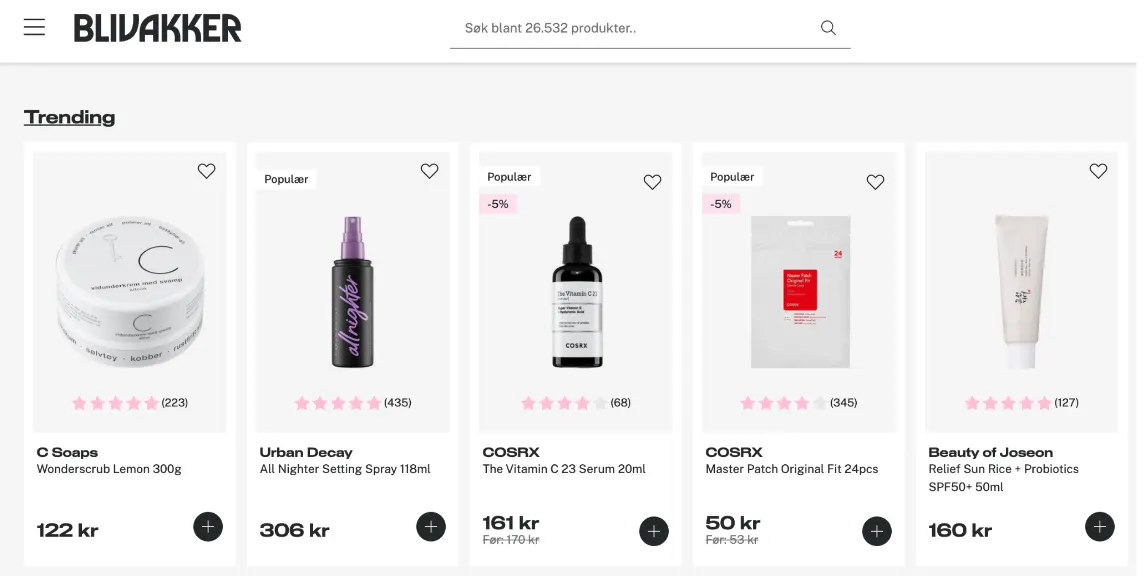
Trust increases when people see that others are satisfied with your product, which can lead to higher sales.
Three. Authority - Be the expert customer need
People have a natural tendency to listen to experts and authorities. If you can position your brand as an authority within your industry, customers will feel safer at trading from you.
This is how you use it: show that you have expertise and that your products are reliable. Refer to the certification or assessments of experts or cooperation with known persons.
Example:
For example, we see that: Dermalogica on its "About Us" page communicates its professionality and long experience. This creates credibility and trust by highlighting their focus on knowledge-based training. While underlining that they are the preferred label among skin-savers globally.
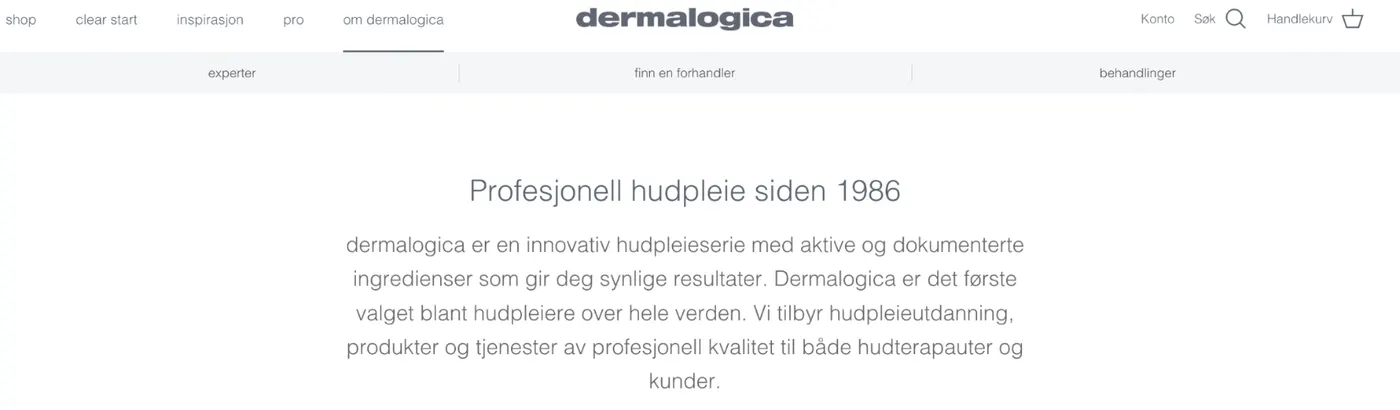
This gives customers an extra layer of security before making a purchase decision.
4. Exposure and consistency — Build small liabilities
When people commit themselves to something, even if there are small steps, there is a greater chance that they will complete the action. This principle can be used to get customers to engage with your brand in small steps leading to a sale.
So you use it: to encourage customers to take small actions, like to put products in your wishlist, or to participate in a quiz to find the best product for them.
Example:
To create involvement among customers, the online store Kicks.no designed a skin care test. Here, the potential customer will, by means of an analysis, answer more questions and finally submit a “self-made”. Then you will get a personalized skin care routine with different products that suit your skin type.
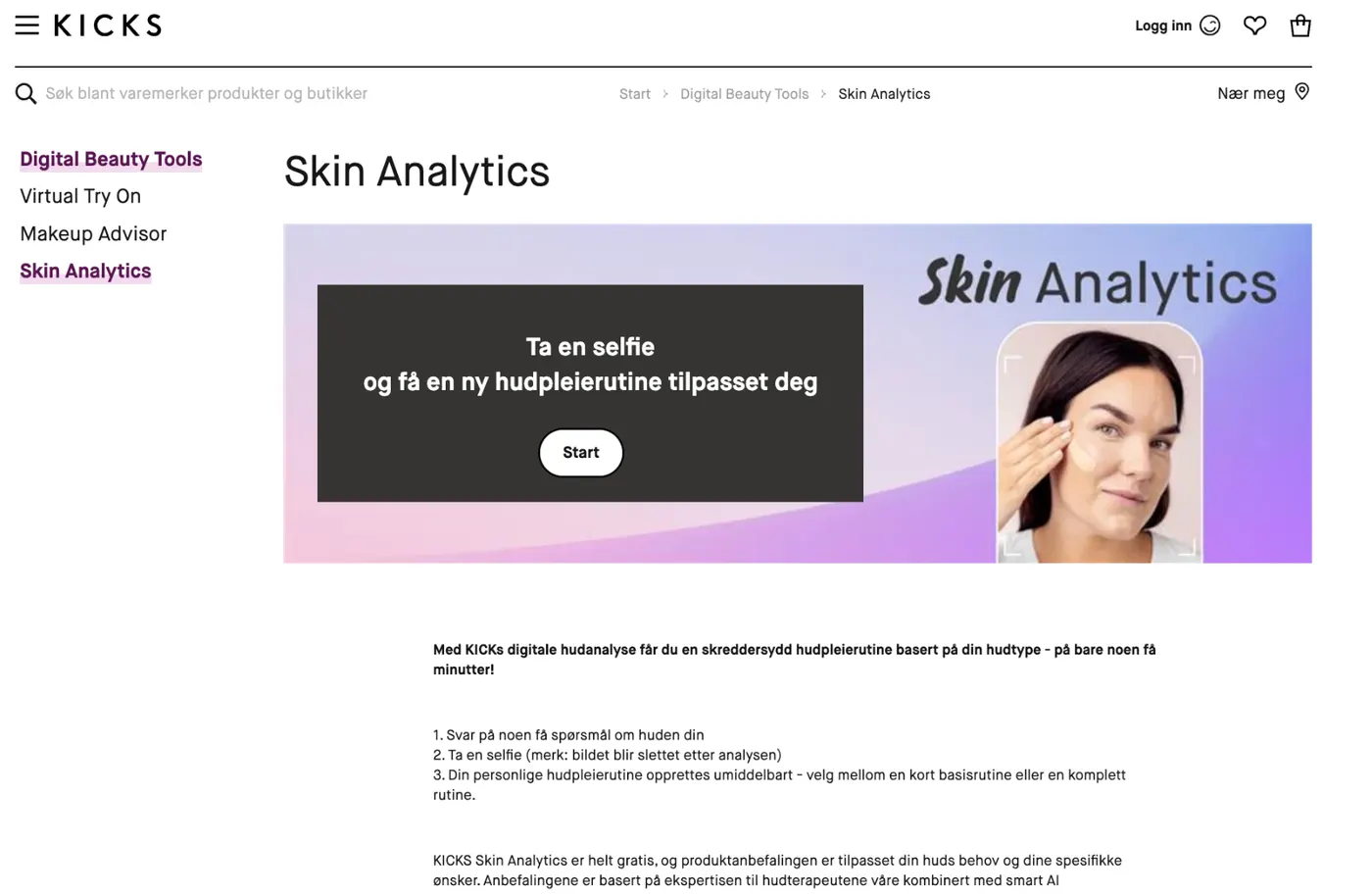
This requires time and effort from the customer, but gives something in return personally back. It also creates a small expectation and commitment to buy what you have spent time getting recommended.
When a customer has already made a small commitment, it is more likely that they will also complete the purchase process.
5. Equal – Build a relationship with customers
People buy from them they like and have a positive view of. Therefore, it is important that your brand seems human and appealing.
So you use it: Create a personal connection with customers by showing out your story, your values, and the people behind the company. Also make sure your customer service is friendly and appropriate.
Example:
The newly launched online store klaat.no sells scarf made of surplus matter. Their product descriptions show a good example of how a online store can use history and humanity, to create a stronger relationship with customers.
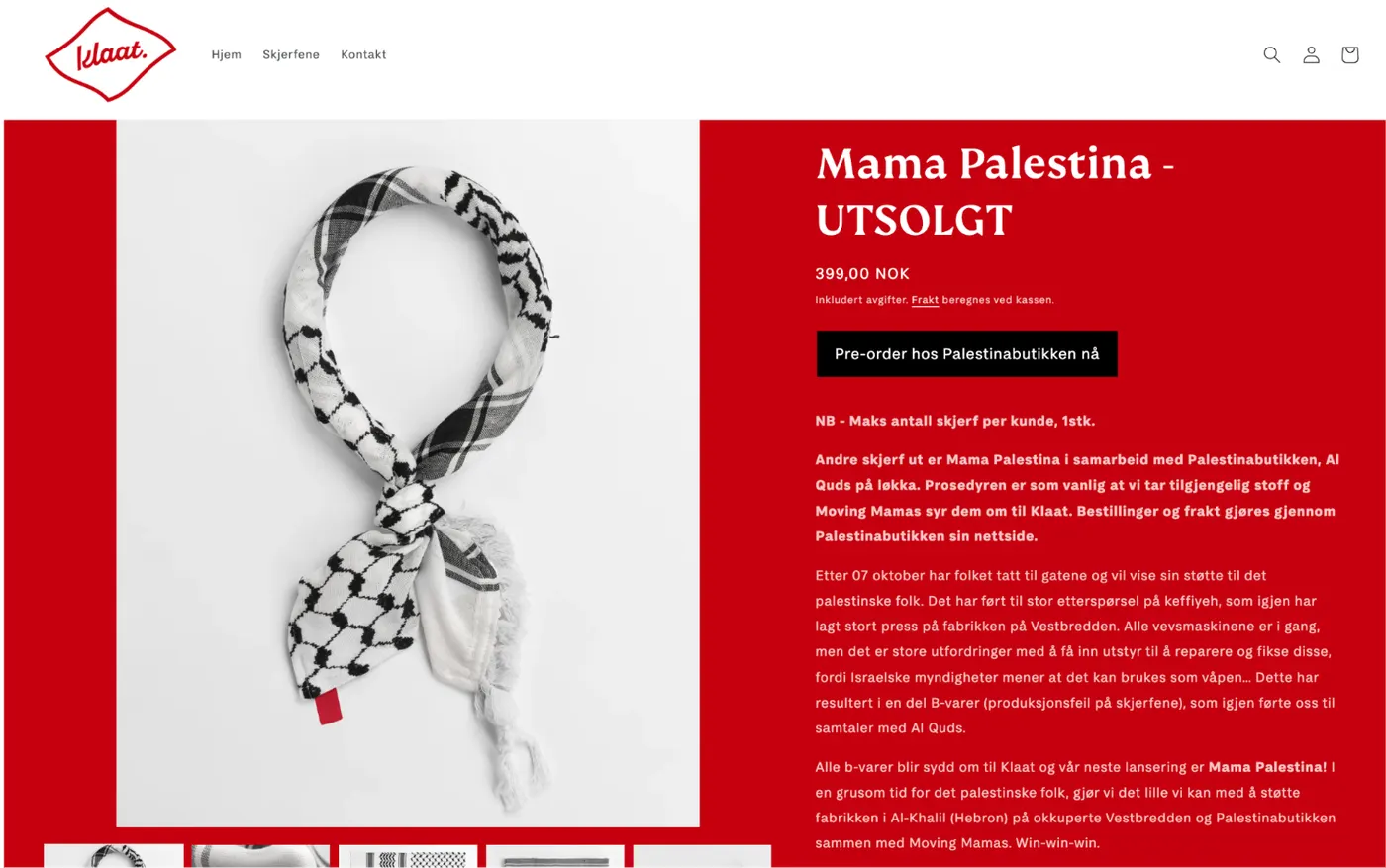
The online store also uses a tone of voice that is informal and humorous to get even closer to customers and target groups.

When people feel a personal connection to your brand, it is more likely that they will act with you.
6. Button - Create a sense of haste
People often want what is hard to get. If something works exclusive or available for a limited time, this trigger people can act quickly.
This is how you use it: use temporary offers, or show that a product can soon be sold out.
Example:
Enabled Villoid.no It is highlighted in red when there is a small number of the goods remaining in stock. This shows that the product can soon not be purchased, and increases the chance that the customer will act while on the site.
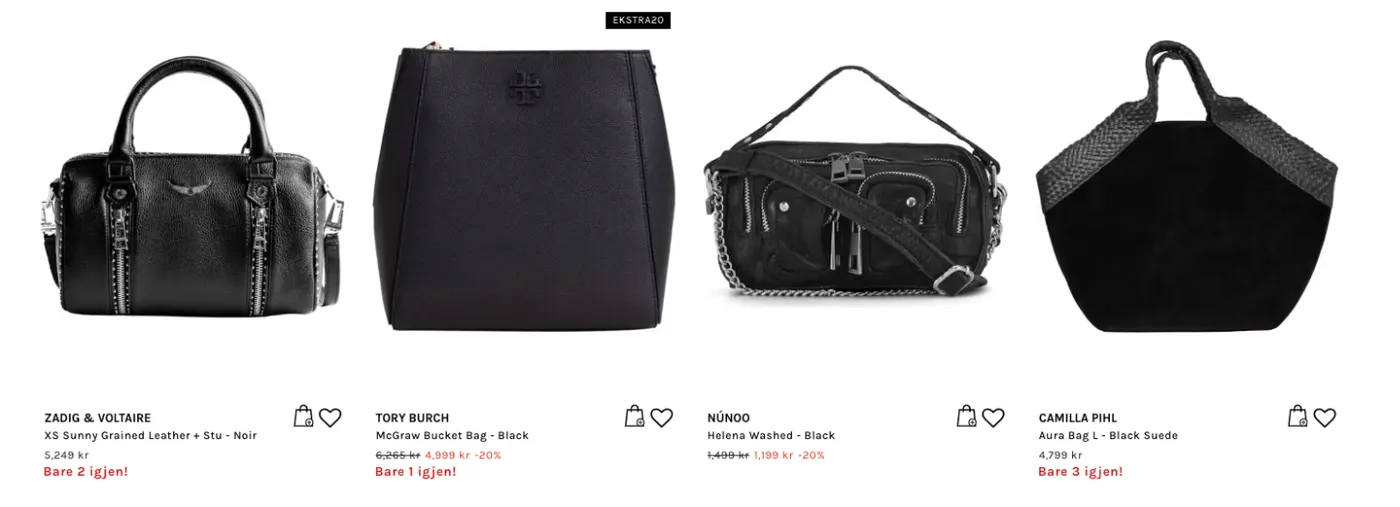
By playing on the plight, you create a sense of haste that encourages customers to act immediately.